Do Our Children’s Abilities End at Their Last Certificate?
 Dr. Abdulqawi Al-Qadasi · 4 min read
Translated from the Arabic. Read the original (العربية)
If we knew that a man had not gone beyond primary school, what would we expect of his knowledge? And if a young man who works binding books came to us, would we see in him a worker who has mastered his trade, or a mind that could contribute to changing the world? And how long do we need to realise that the experience a person gains in the market and at work may contain knowledge that does not appear on a school record?
These questions bring together figures I discussed in my book School Did Not Teach Them… So the World Learned from Them. Their environments and fields differed, but their stories meet at a meaning worth reflecting on: the usual educational path may come to an end, while the journey of knowledge can carry on.
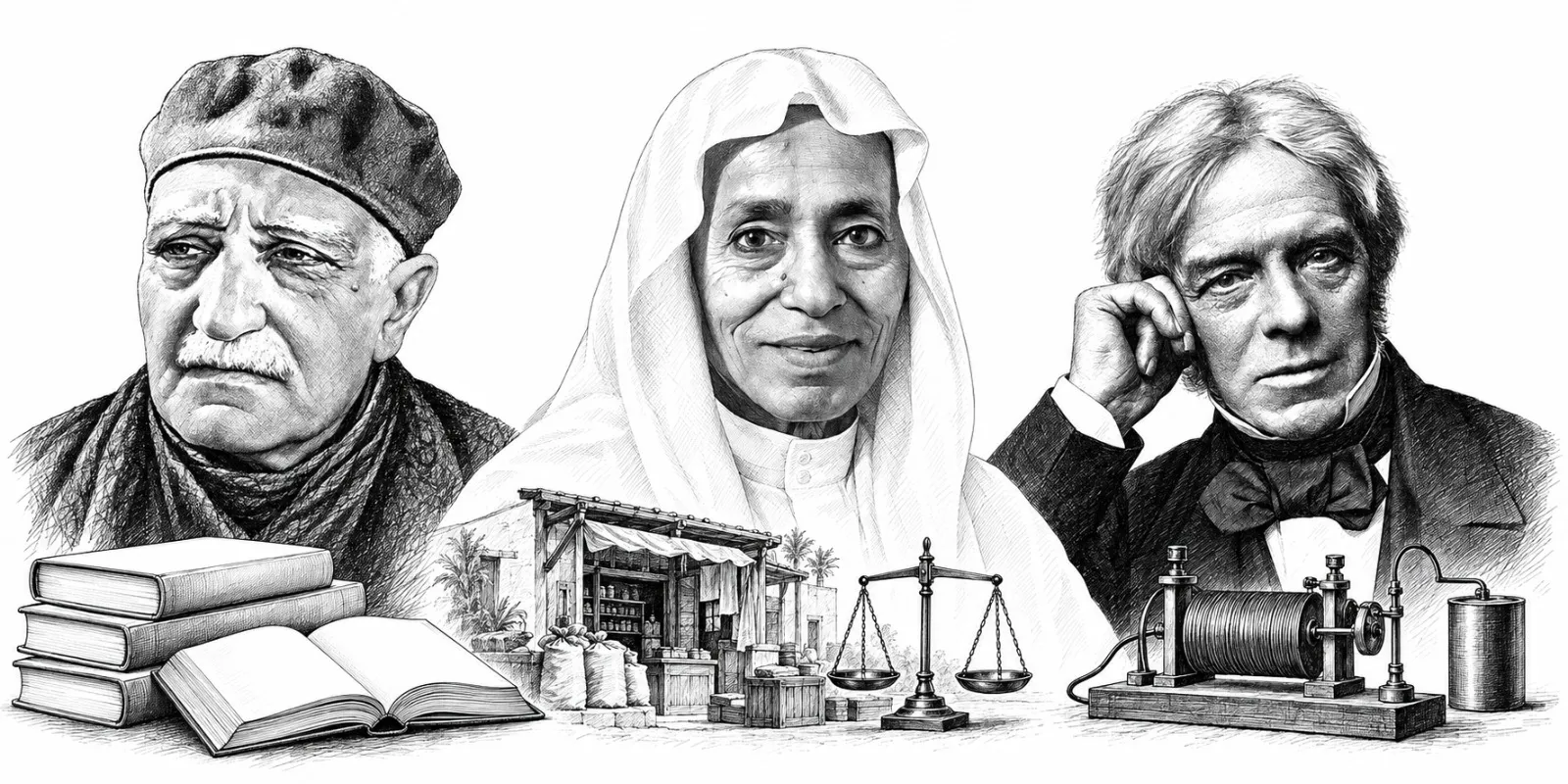
In Egypt, Abbas Mahmoud al-Aqqad did not obtain a certificate beyond primary school, yet he went on educating himself through reading until he became one of the most prominent Arab writers and thinkers, and a member of the Arabic Language Academy in Cairo. He wrote on literature, criticism, history and Islamic thought, and his influence reached generations who never knew him. His certificate was limited, but his knowledge kept growing through a long effort of reading, research and writing.
Al-Aqqad’s story does not mean that primary school is enough to make a thinker; rather, it reveals the difference between the end of schooling and the end of learning. He took a foundation from school, then went on building himself. And here an important educational question appears: what stays with the student when he leaves us? Does he always wait for someone to tell him what to read, or does he have the ability and the desire to search for what he does not know?
In Yemen, the experience of Hayel Saeed Anam and his brothers offers another door to knowledge. Their group began with a small shop in Aden in 1938, founded by the four brothers Mohammed, Abdo, Hayel and Jazem Saeed Anam. Its activity then moved from retail to wholesale, import and export, and later developed into industry. The beginning was a family project, and the building accumulated across stages and generations.
What concerns us educationally in this experience is the renewed learning that moving between these kinds of business demands: understanding the market, estimating needs, managing resources, building trust, and bearing the consequences of decisions. These are kinds of knowledge that a person acquires in part through practice, accompaniment, asking questions and correcting mistakes. And from here another question arises: how much of the experience of the craftsman, the farmer, the merchant and the tradesperson do we neglect because the place where it was acquired was not a classroom?
In Britain, Michael Faraday was an apprentice bookbinder, and he began to read the scientific books that passed through his hands. He then attended Humphry Davy’s lectures, wrote up his notes and presented them to him in search of an opportunity for scientific work. After a time, he was given a post as an assistant at the Royal Institution, and from there his journey developed into discoveries that helped lay the foundations of modern electrical technologies.
Faraday began with the book, then needed the scientist, the laboratory and the experiment. His story reveals the value of an institution when it opens its doors to an ability that grew outside it, and gives its owner the chance to complete his tools. What he had learned by himself was a beginning capable of growth, and it became more influential when it found guidance and the right environment.
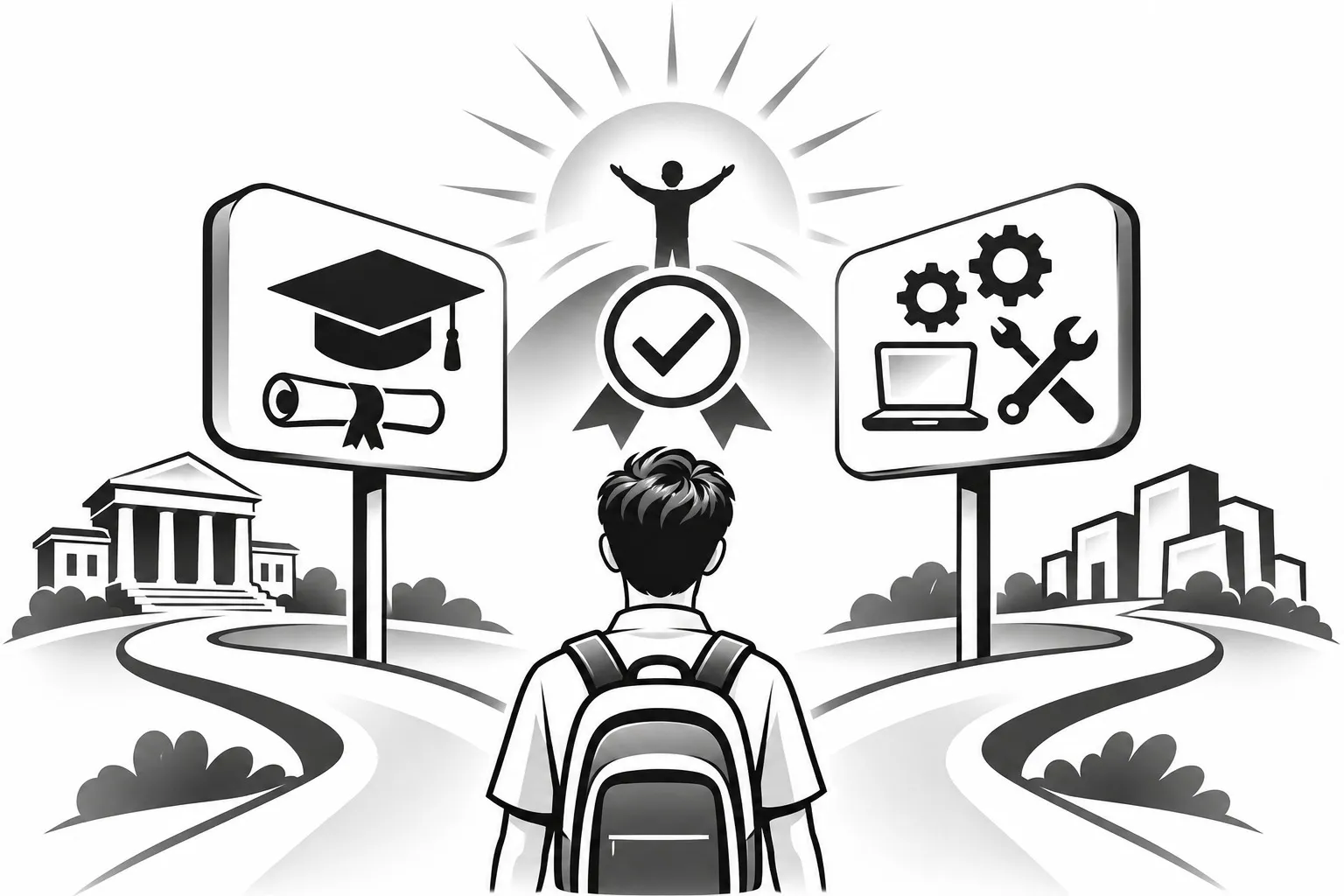
Three experiences, and three doors to knowledge: reading, work and experimentation. These examples do not give us a general recipe for success, nor do they make deprivation of education an advantage we would wish for our children. They invite us to widen the paths available to them, so that success outside the usual path does not become a battle a person fights alone.
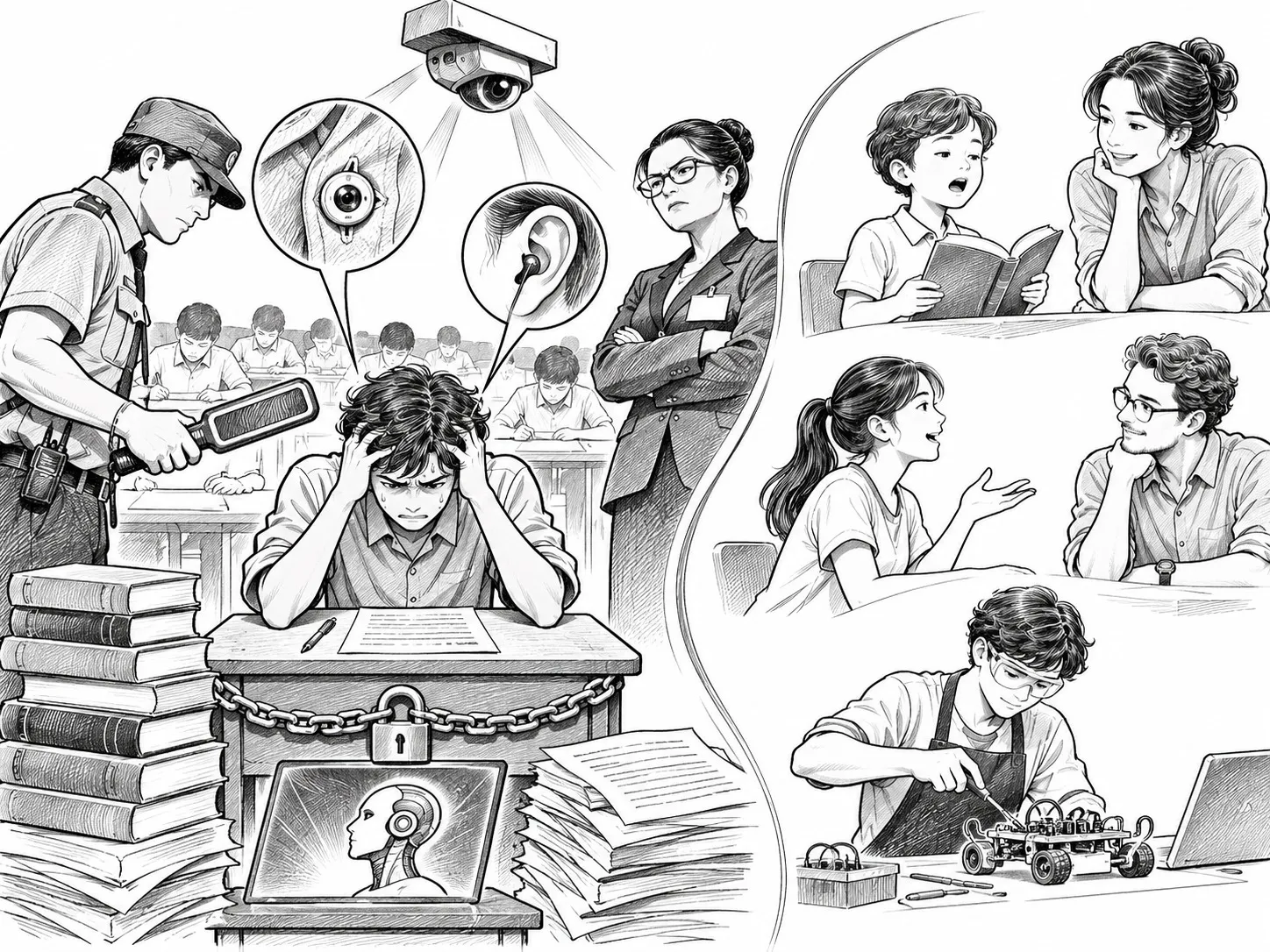
This is the starting point of my call, in the theory of upbringing and education, for a shared foundation that gives the learner the tools of language, thinking, values and core knowledge, followed by flexible pathways that allow him to discover his abilities and progress in them. He learns in school and outside it, advances when he masters, receives support in what he still needs to complete, and his knowledge is assessed by what he can demonstrate and perform.
Whoever has mastered a skill in a workshop should find a way for it to be recognised, and whoever has acquired knowledge through reading and self-learning should have the opportunity to prove it and build on it. Standards of competence remain clear, while the paths that lead to them are many. And upbringing remains responsible for building the person in his values, relationships and awareness, so that the aim is not reduced to a professional skill or financial success.
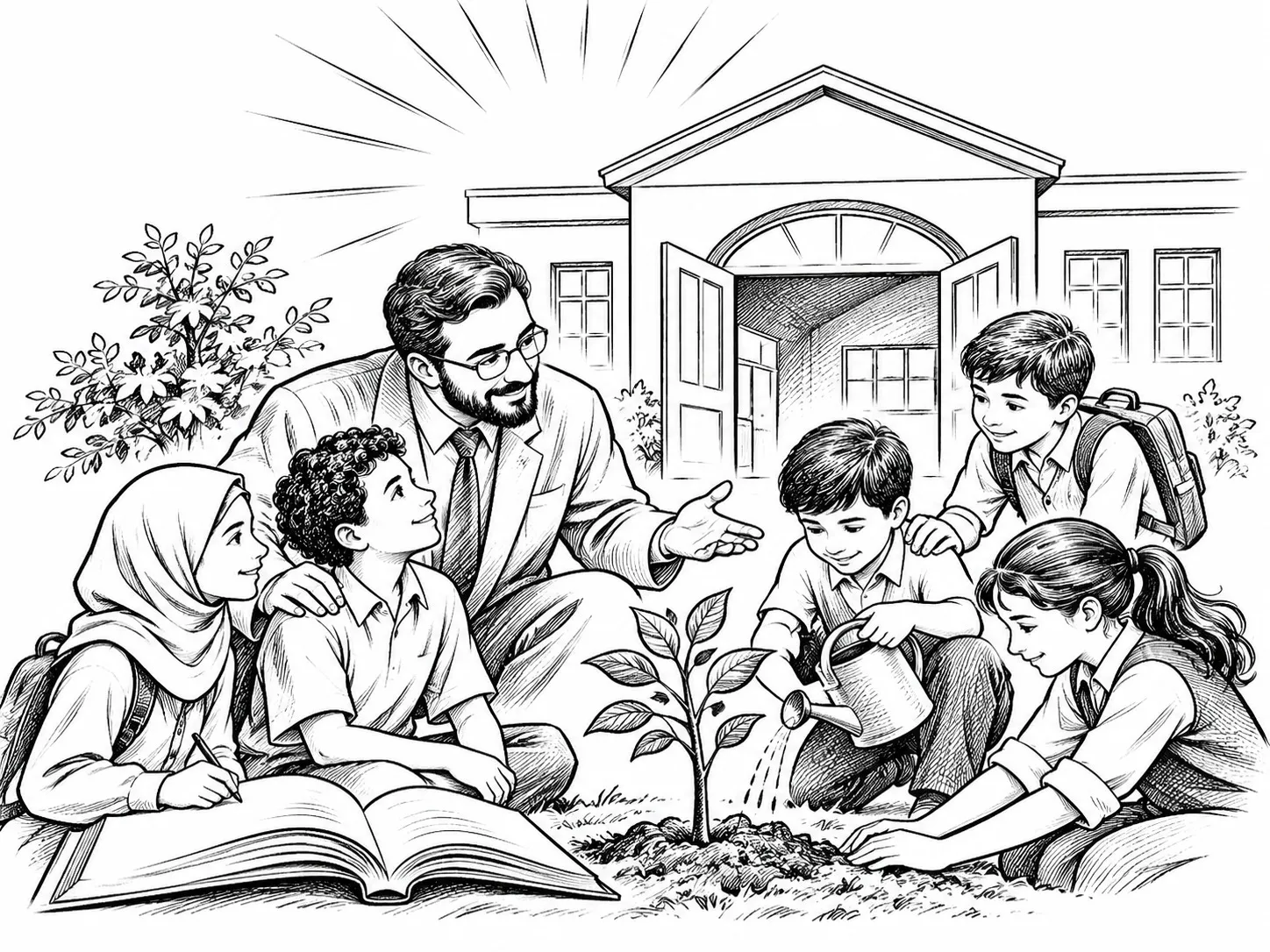
Al-Aqqad found his way in books, Hayel Saeed Anam and his brothers accumulated their experience in work, and Faraday moved from binding knowledge to contributing to its production. Our responsibility today is to make the discovery of these doors, and the possibility of reaching them, part of our children’s education.
When a person’s abilities are many, why do we narrow the paths by which he is allowed to learn?
Related service: Parenting and education counselling
Questions people hesitate to ask
Is a school certificate the only measure of a child's abilities?
The article argues that experience gained through reading, work and experimentation can contain knowledge that never appears on a school record, citing al-Aqqad, who did not go beyond primary school and became a member of the Arabic Language Academy in Cairo. The end of schooling is very different from the end of learning.
Do success stories without degrees mean education is unnecessary?
No. The article stresses that these examples give no general recipe for success and do not make deprivation of education something we would wish for our children; they invite us to widen the paths open to them, so that success outside the usual route is not a battle a person fights alone.
How can what children learn outside school be recognised?
The article calls for anyone who has mastered a skill in a workshop to have a way to get it recognised, and for those who learned through reading and self-study to be able to prove and build on that knowledge, with clear standards of competence, many paths to reach them, and upbringing still responsible for values, relationships and awareness.
Share your thoughts
Have you been through something like this, or has a question come to mind? Write it here. Your words may help another reader.
جزاك الله كل خير ع كل ما تقدمه في ميزان حسناتك ربي يسعد قلبك