Restoring Upbringing… Towards a School That Builds the Human Being
 Dr. Abdulqawi Al-Qadasi · 5 min read
Translated from the Arabic. Read the original (العربية)
Inspired by the book “A Theory of Upbringing and Education: Towards Rebuilding the Education System”
In many forms of education in the past, the teacher was not only a transmitter of knowledge but also an educator who brought up his students. The student learned knowledge, manners and conduct from him, and was influenced by his deeds as much as by his words. The long relationship between teacher and learner offered wide opportunities for guidance, nurture and the building of character.
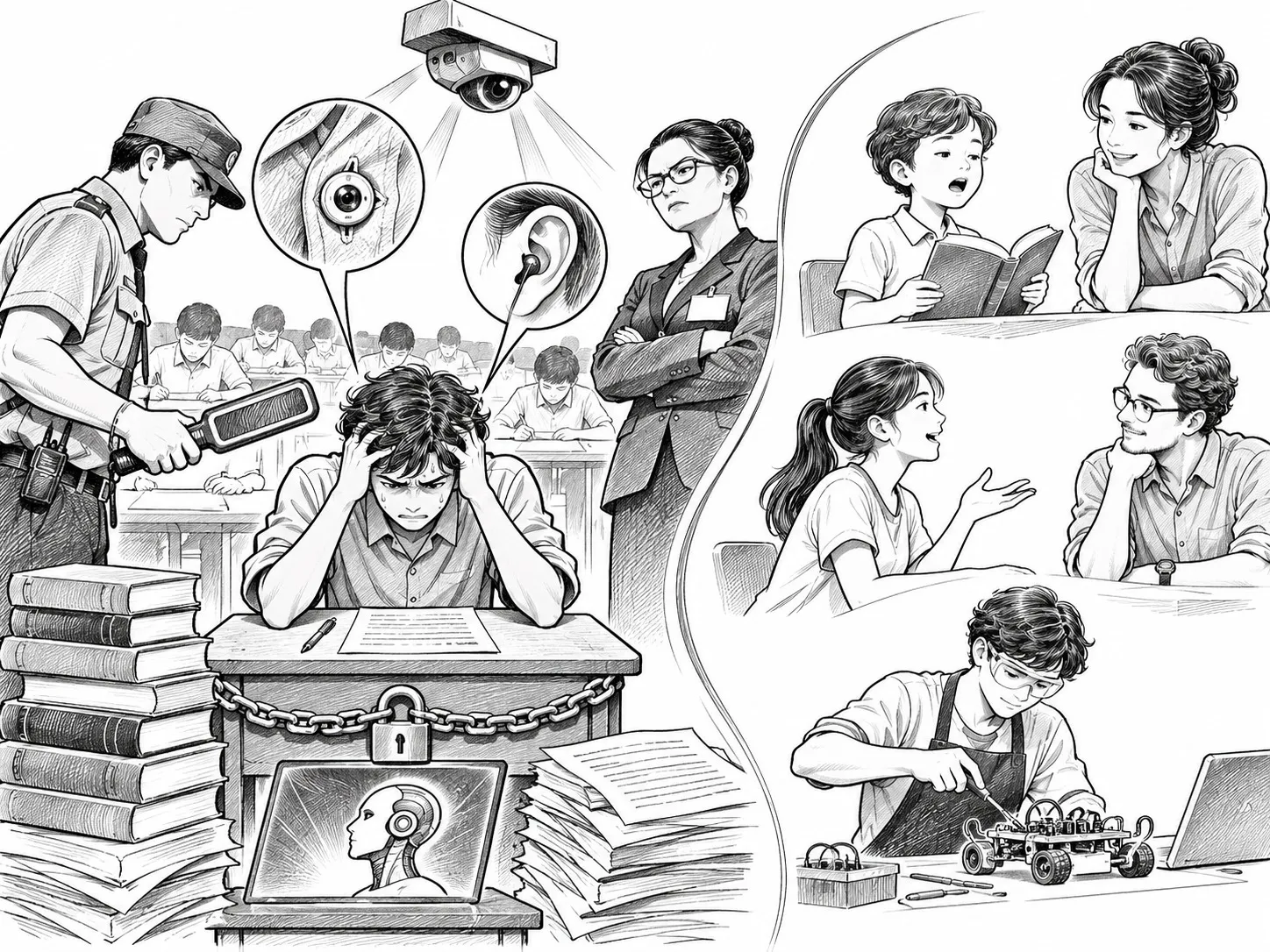
With the appearance of mass education and the expansion of schools, this relationship changed. The student came to receive his education at the hands of many teachers, each with his own specialisation, personality and cultural and intellectual background, in classrooms holding large numbers of learners. Despite the historic achievement of mass education in widening the opportunity to learn, its upbringing function became more complicated, especially as many schools are preoccupied with syllabuses, exams and grades, without a clear and integrated vision for building the human being.
One teacher may come in to instil the value of respect, then another comes and undoes it by his conduct. The student may learn the importance of honesty and trustworthiness, then witness practices that contradict them. In this way the messages of upbringing become contradictory within a single institution, and building character becomes closer to scattered influences than to a deliberate process of upbringing.
The paradox is that the student spends five or six hours a day at school, for many years of his life, which is long enough to have a deep effect on his character, values and attitudes. How can we accept that these years pass without a clear project of upbringing, while we busy ourselves with measuring the information he has memorised, and perhaps cannot even guarantee that he has mastered it?
We need to restore upbringing to its proper place, not as a school subject or an extra activity, but as a core function of the education system, with its own aims, means, specialists and outcomes.
Hence, in “A Theory of Upbringing and Education: Towards Rebuilding the Education System”, we call for specialist educational guidance to be an essential part of every school, university and educational institution. Its role should not be limited to dealing with behavioural problems after they occur; it should help plan and lead the process of upbringing, guide teachers towards achieving its aims, and follow the learners' growth in values and in social life, working together with specialists in psychological and social counselling.
This calls for reconsidering how teachers are prepared and continually trained. It is not enough for the teacher to master his subject and his teaching methods; he should be qualified as an educator to instil shared values, and be aware of the effect of his conduct, his example and the way he treats his students. Every teacher, whatever his specialisation, is a partner in building the human being, and his practices should not undo the values the institution seeks to establish.
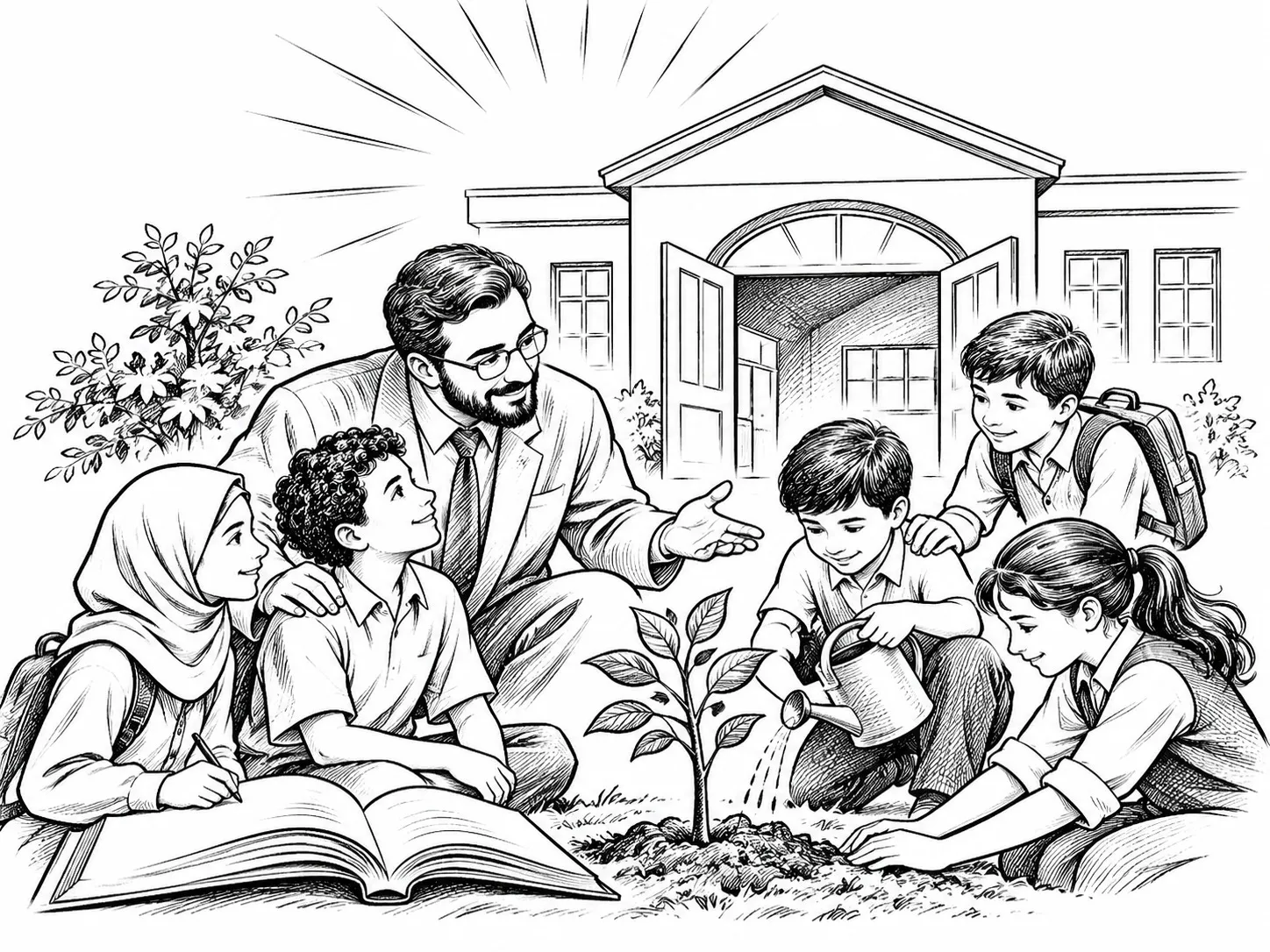
Moreover, upbringing is not achieved by sermons and lessons alone, but through activities, trips, projects, group and volunteer work, and the everyday situations in which the student learns honesty, trustworthiness, cooperation, taking responsibility and respecting difference. Here the importance of the open school that the theory calls for becomes clear: a school whose mission is not confined between the walls of the classroom but extends to society and its institutions and to the environments of work and life, allowing the learner to practise the values he learns.
This upbringing is not complete without attention to the spiritual building of the human being, alongside his intellectual, physical and practical building. A person needs knowledge, but he also needs meaning, purpose and the conscience that directs this knowledge. It is a mistake to prepare a brilliant specialist and then neglect building his moral and spiritual character, or leave him without the ability to think critically and to distinguish between what builds a person and what harms him. This vacuum may, along with other factors, help make some young people more vulnerable to the rhetoric of fanaticism and polarisation.
However, the responsibility of upbringing cannot be borne by the school alone. For this reason, upbringing in shared human values should become a strategic goal of the state and part of the international directions of education, shared in achieving it by the family, the school, the university, the media, the mosque, the church and all other religious, cultural and community institutions. It makes no sense for the school to instil tolerance while other institutions broadcast hatred, or to teach trustworthiness while public practices reward cheating and corruption.
What is meant is not unifying religions and cultures or abolishing the particularities of societies, but agreeing on common human foundations: human dignity, honesty, justice, mercy, cooperation, tolerance, respect for diversity and the rejection of violence. These are values on which societies can meet while each keeps its religion, culture, identity and its own particularities in upbringing.
Let us imagine if all states, within a framework of international cooperation led by the institutions concerned with upbringing and education, made these values an integral part of raising generations, not mere slogans or passing topics in the curriculum. Would the coming generations not be more ready for cooperation and understanding? And less liable to be drawn into the rhetoric of hatred and conflict? Would the chances of social peace and coexistence between peoples not widen, and might this upbringing not, alongside political and economic efforts, help reduce the motives for disputes and wars?
We are all children of Adam, and what unites us in our humanity is wider than what divides us in our religions, cultures and homelands. What is required is not that we give up our differences, but that we learn how to respect them, and how to make our diversity a source of mutual acquaintance and complementarity, not a cause of enmity and conflict.
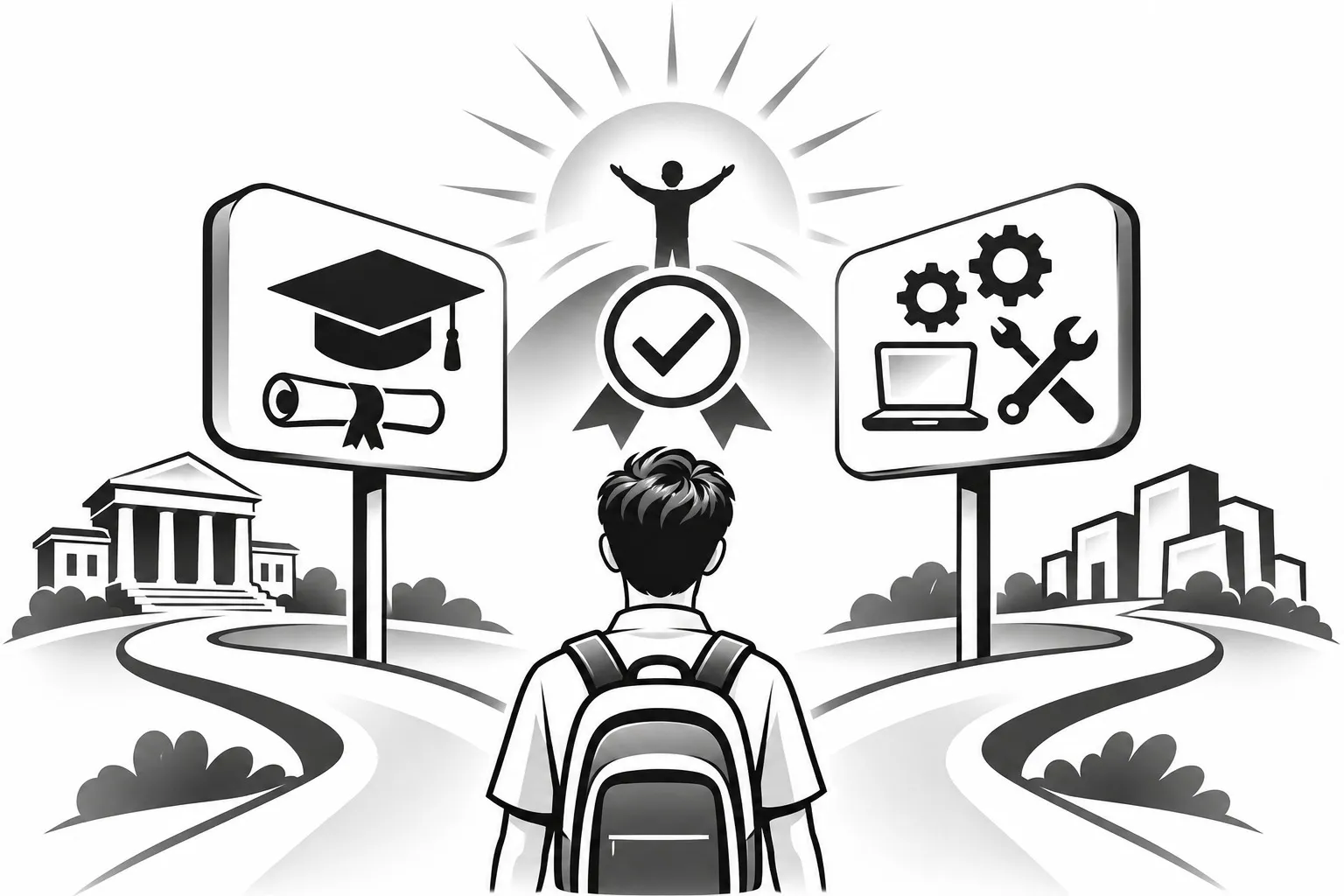
This is the deeper meaning of the upbringing we call for: that it be a continuous path that accompanies the human being through the different stages of his learning, from the shared foundational stage to the specialised and vocational tracks, so that knowledge is not separated from values, nor skill from responsibility, nor individual excellence from serving society.
We do not want only to graduate a skilful doctor, a creative engineer or an outstanding scientist; we want a human being who uses his knowledge and skill to build up the earth, not destroy it, to bring people together, not divide them, and to achieve development and peace, not inflame conflicts.
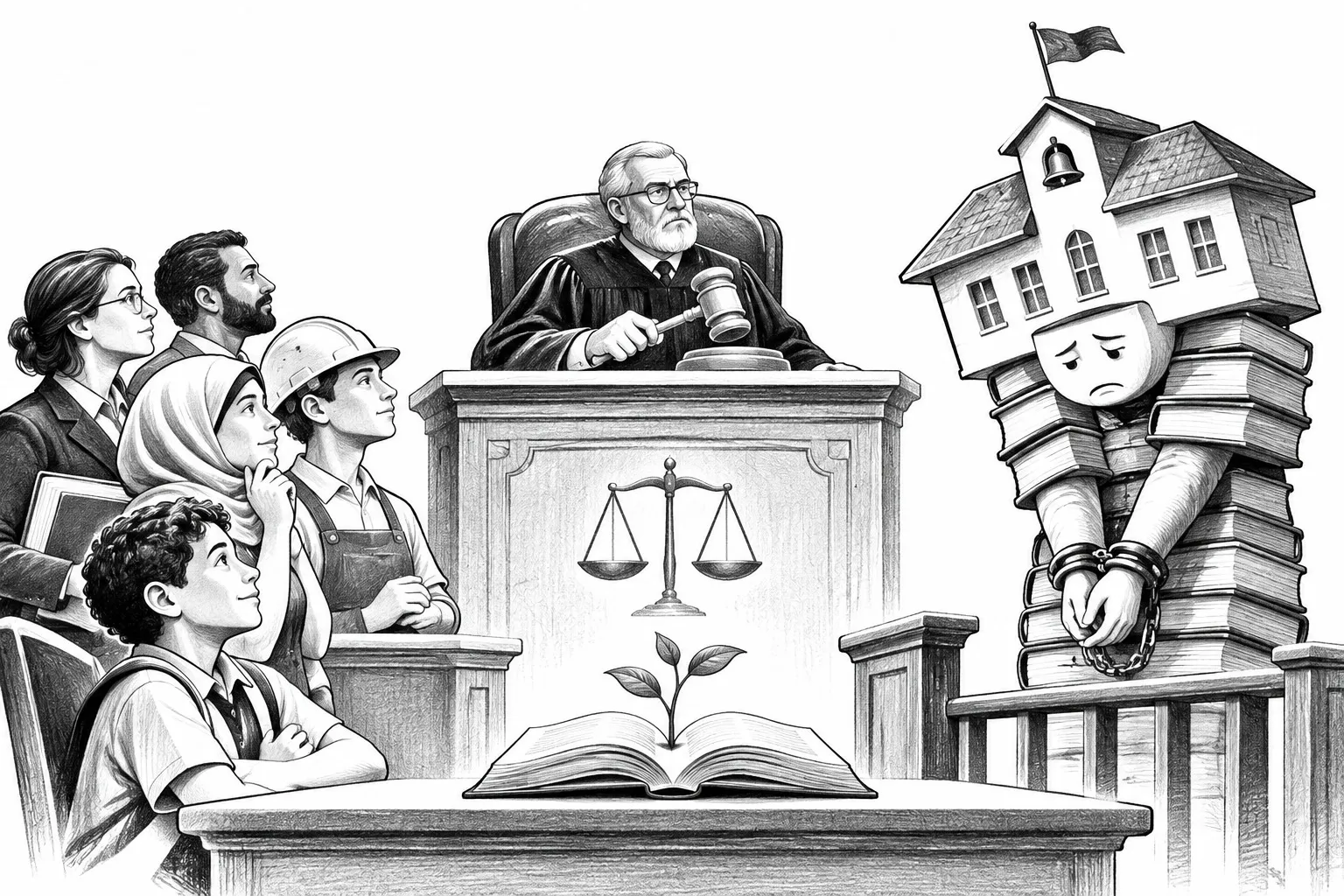
Rebuilding the education system is not complete by changing curricula, stages and exams unless we restore to upbringing its standing, to the teacher his mission, and to the educational institution its responsibility for building the human being.
If mass education succeeded in opening the doors of schools to millions, our ambition today is to open wider doors before those millions to build a balanced human being: proud of his identity, open to others, capable of learning, working and living together, and aware that his humanity is a responsibility before it is a belonging.
The question that should lead the future of upbringing and education is not only: what do we want a person to know? But: what kind of human being do we want to build, and what kind of world do we want him to help make?
Dr. Abdulqawi Mukrid Al-Qadasi
Inspired by the book “A Theory of Upbringing and Education: Towards Rebuilding the Education System”.
Related service: Parenting and education counselling
Questions people hesitate to ask
Why has the school's upbringing role weakened?
The article argues that mass education put students in crowded classrooms with many teachers, each with his own personality and background, while schools became preoccupied with syllabuses, exams and grades. The messages of upbringing became contradictory, and building character turned into scattered influences rather than a deliberate process.
What is the role of an educational guidance specialist in school?
The article calls for specialist educational guidance to be an essential part of every school and university. Its role is not only to deal with behavioural problems after they occur, but to help plan and lead upbringing, guide teachers, and follow learners' growth in values and social life, working with psychological and social counsellors.
Can the school alone raise children on good values?
No. The article argues that upbringing in shared human values should be a strategic goal of the state, shared by the family, school, university, media and religious and cultural institutions. It makes no sense for the school to teach tolerance and honesty while other institutions spread hatred or public practices reward cheating and corruption.
Share your thoughts
Have you been through something like this, or has a question come to mind? Write it here. Your words may help another reader.
No comments yet. Be the first to start the conversation.