The Learner: Centre of the Process… or Its Slogan?
 Dr. Abdulqawi Al-Qadasi · 6 min read
Translated from the Arabic. Read the original (العربية)
When the learner is at the centre of the discourse and on the margin of the decision
Dr. Abdulqawi Al-Qadasi
It is rare today to find a school that does not say "the learner is the centre of the educational process." The phrase is present in visions and mission statements, teachers' plans, training programmes and quality standards, until it has become one of the givens of contemporary educational discourse.
But the more often it is repeated, the more important the question becomes: what does being the centre actually mean? If we walk into many schools, we find that the student's age determines his grade, the timetable determines his time, the curriculum determines what he will learn, the teacher usually determines how he will learn it, the test determines what he should prepare for, and the system determines when he moves on to the next stage. And then we say: the learner is the centre.
I remember once seeing one of my secondary-school students contemplating his textbook, so I asked him what was on his mind. He said to me: "Sir, my father studied this very book, and now I am studying it. Does that mean my son will study it too?" The student was not offering a critique of an educational theory, but he had spontaneously put his finger on a big question: to what extent does what we offer students change as the world around them changes? And to what extent do they have a voice in what they learn and the path they take? That question stayed in my memory, because it did not come from a researcher reviewing an education system, but from a student living that system from the inside.
The problem is not that the son learns some of what his father learned; knowledge has foundations that deserve to remain. The problem begins when the content and the way it is presented continue without review of the learner's needs, what has changed in his life, and the means of knowledge and learning opportunities now available to him.
I do not mention this picture to attack the school. Every institution needs a system, and it is not possible for every student to have a separate curriculum, a separate timetable and separate rules. Nor does being the centre mean that the student does as he pleases, or chooses everything he learns in his childhood, or that the teacher and the family retreat before his wishes. The child does not yet know everything he needs, experience has its value, and society has the right to guarantee its children a common measure of knowledge, values and skills. But the other extreme is no less problematic: to decide everything for the student, and then describe the system as centred on him. There is a difference between the human being being the aim of education, and his having a real presence in building his own learning experience.
Placing the student at the centre of education means taking him into account when we decide: his age and development, what he already knows, his abilities, pace and inclinations, the difficulties he faces, his voice on the matters that concern him, and the space in which he can bear the responsibility of choosing. This space widens as he grows; what we decide for a seven-year-old child should not be decided in the same way for a young man of seventeen. One of the signs of successful upbringing is that a person moves gradually from heavy dependence on those around him to a greater ability to choose and to bear the consequences.
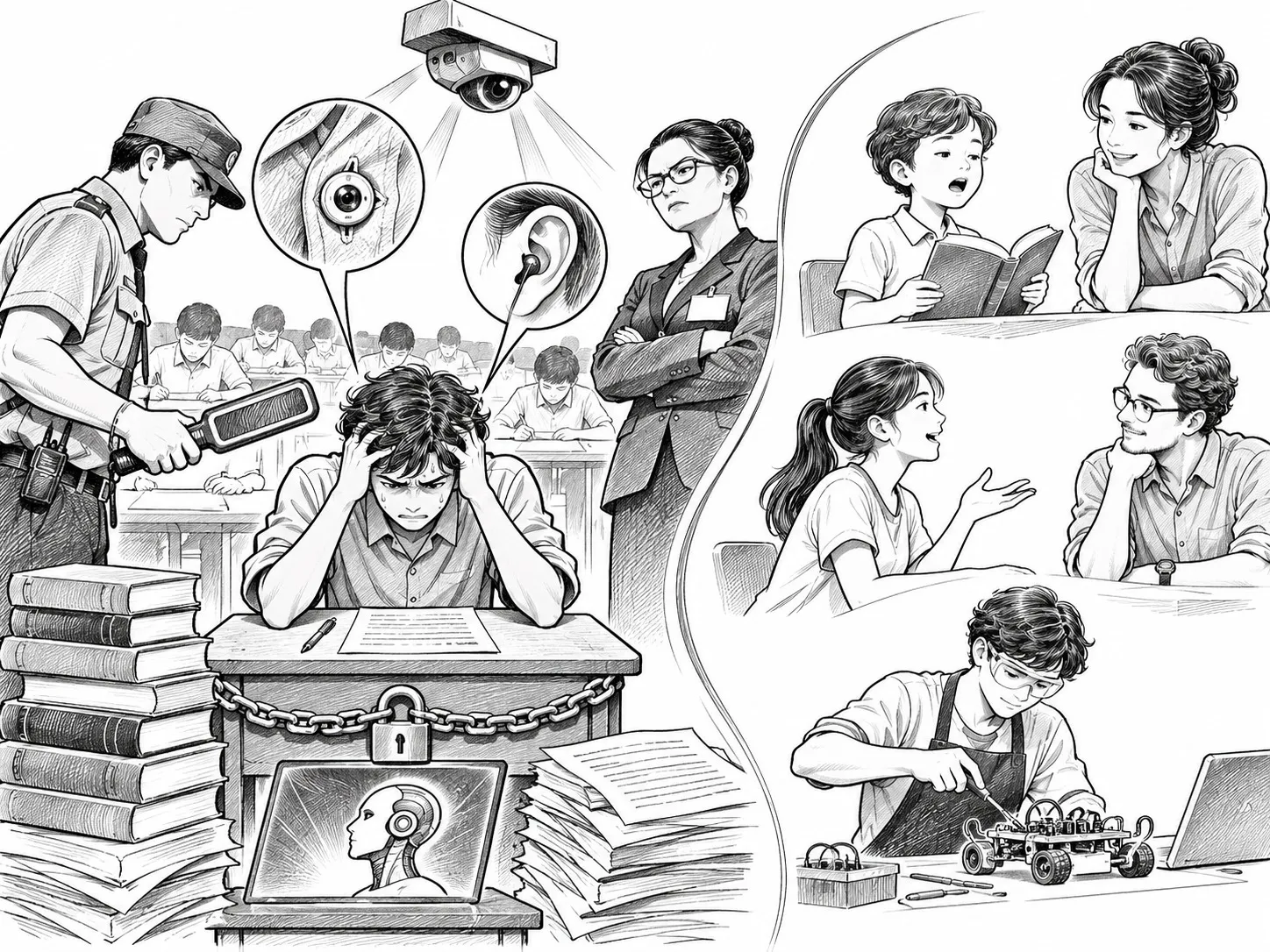
Here one of the problems of a system built on rigid age-based grades appears. We may acknowledge in theory that students are different, and then require them in practice to learn roughly the same content, in the same time, and to progress at the same pace. In a single classroom we may find one student who has grasped the idea and is ready for what comes next, and another who still needs more time and practice, yet both wait for the end of the lesson, the end of the term and the end of the year for the system to move them on together. It is as if the difference between students is a fact we acknowledge in psychology and education, and then forget when we build the system.
McCombs and Whisler, in their book on the learner-centred classroom and school, stressed the importance of designing education that takes account of students' needs, abilities and interests, and strengthens their motivation and their responsibility for their learning.[1] Yet the value of these ideas does not lie in the term itself, but in how much reality changes because of it. "Learner-centredness" can turn into a form without substance: we change the seating arrangement, multiply group activities, and ask students for presentations and projects, while the big questions remain as they are: the same content for everyone, roughly the same time, the same path, and success governed by the test grade.
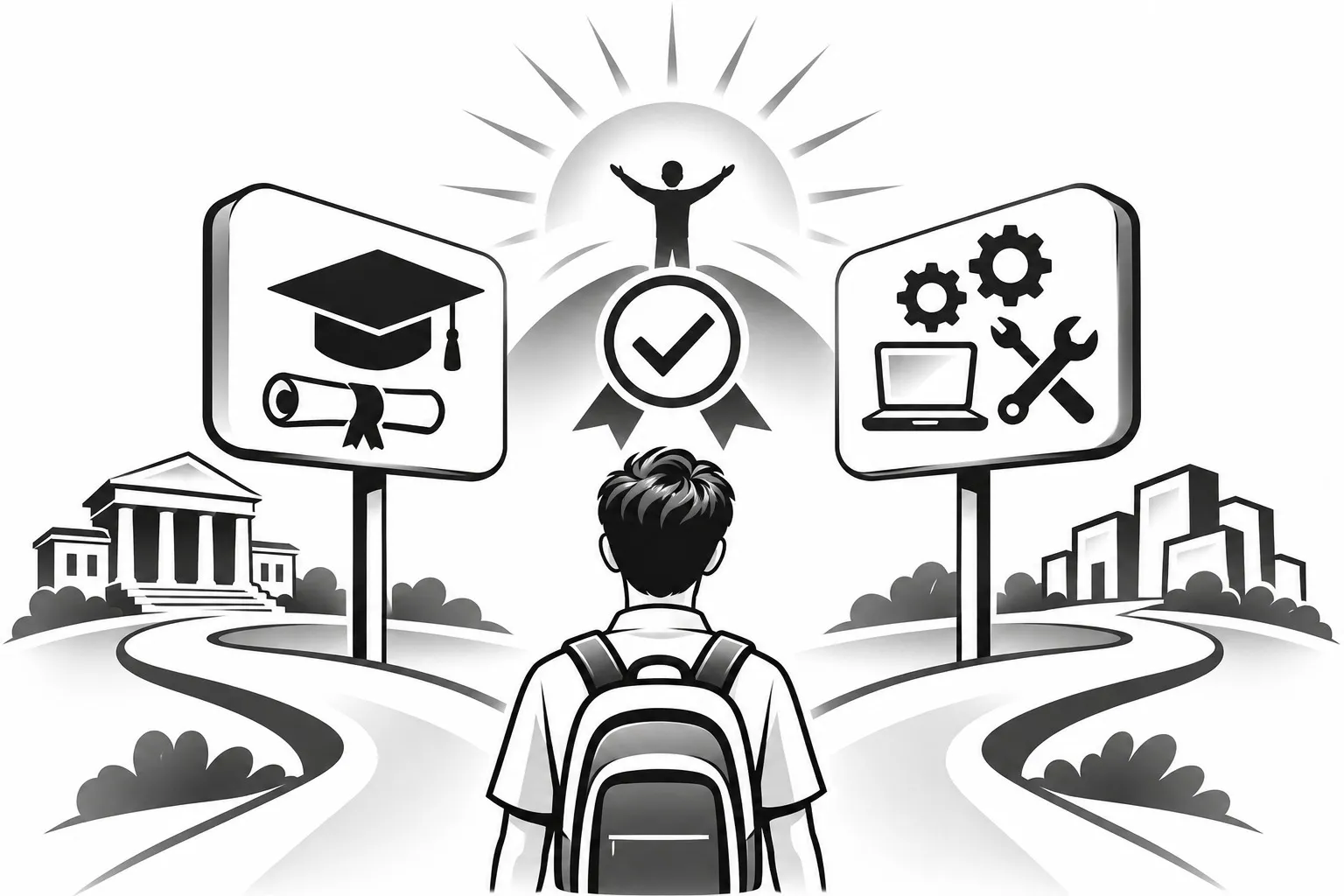
Real centredness goes deeper than a teaching method. It requires us to ask, when designing education: can the one who progresses quickly move ahead? Does the one who needs more time find enough of it? Does the one who discovers a vocational, artistic or technical inclination find a respected path to it? Is the student's voice heard in the decisions that affect his experience? Does his space for choice and responsibility widen as he advances in age and maturity? These questions do not mean designing a separate system for each individual, but they do mean not making the ease of running the system more important than the human being for whom the system was created.
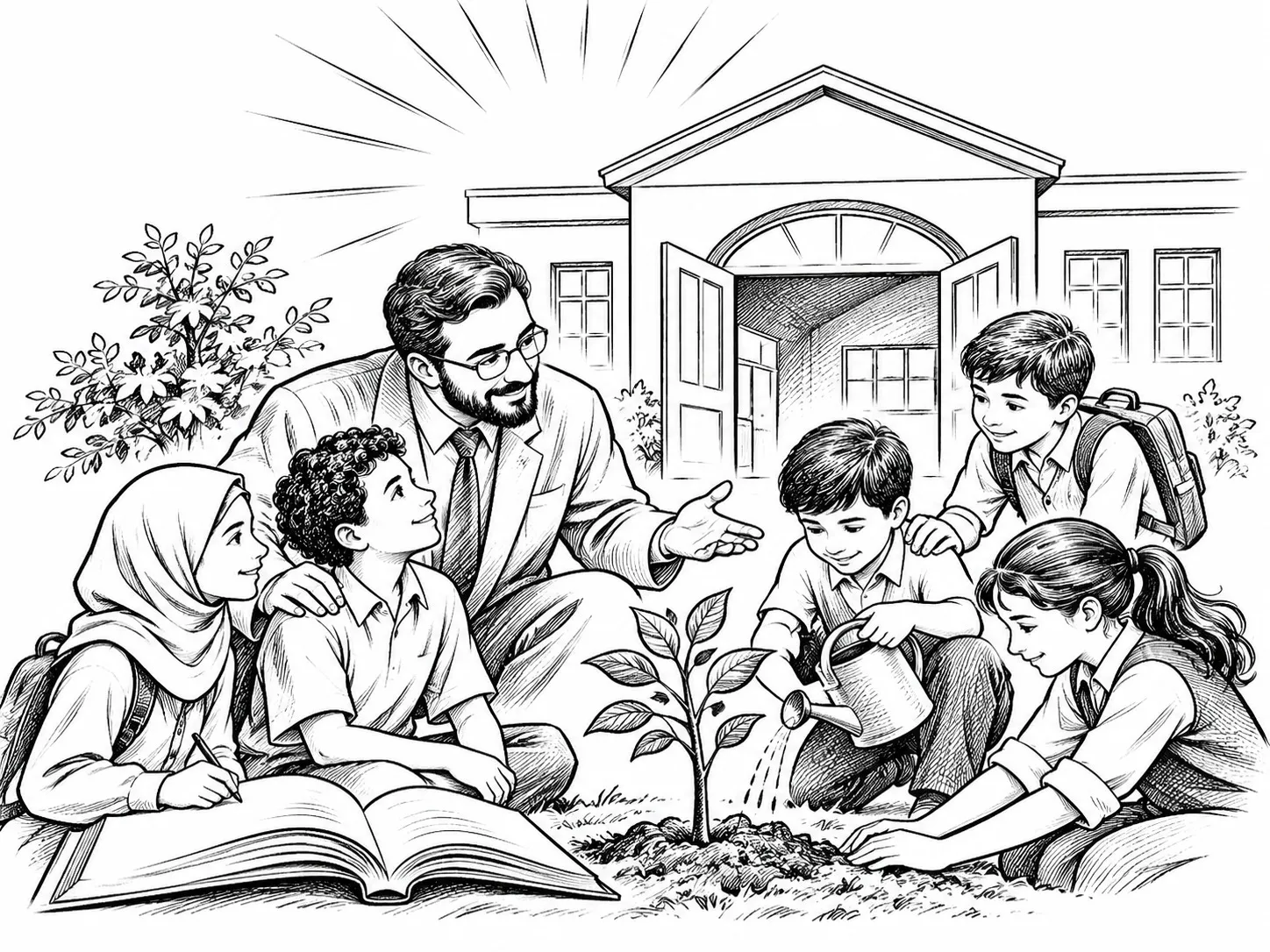
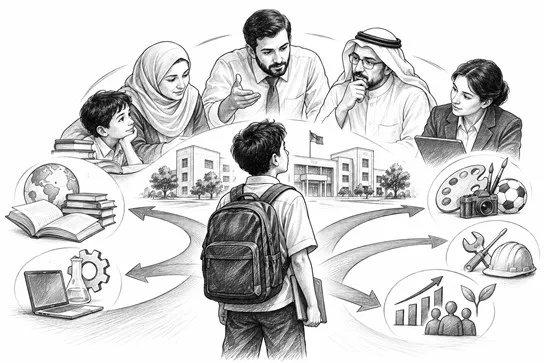
For this reason I prefer to treat the word "centre" itself with caution. The educational process is not carried out by one party; the student, the teacher, the family and society all take part in it, and it is governed by knowledge, values and aims. If we make one of these elements an absolute centre, we may weaken other elements without which the process cannot stand. Perhaps it would be more accurate to move from learner-centredness to a partnership in learning: a partnership that does not mean equal roles, for the teacher has more experience, the family bears a responsibility, society determines part of the common ground its children need, and the student's own ability to choose changes according to his age and maturity. But it does mean that he is not merely the subject of decisions; he gradually becomes a party to them.
This partnership begins with practices that can find a place in school: that the student understands the purpose of what he is learning, that he is given a choice between topics or projects that achieve common goals, that he discusses his progress with his teacher, and that he finds support when he stumbles and an opportunity to advance when he is ready. With every space for choice, he learns to plan, persevere, review his decisions and bear his responsibility.
Then the question is no longer: how do we make the learner the centre of everything? It becomes: how do we build an education that listens to him, takes account of his difference, gives him a growing space for choice, and in return places on him a growing responsibility for his learning? The aim is not to put him at the centre of the slogan, but to give him his real place in learning.
[1] Barbara L. McCombs and Jo Sue Whisler, The Learner-Centered Classroom and School: Strategies for Increasing Student Motivation and Achievement, San Francisco: Jossey-Bass, 1997.
Related service: Parenting and education counselling
Questions people hesitate to ask
What does it mean for the learner to be at the centre of education?
The article says it does not mean letting the student do whatever he wants, but taking him into account when decisions are made: his age and development, what he already knows, his abilities, pace and inclinations, his difficulties and his voice on matters that affect him, with his room for choice and responsibility widening as he matures.
Why are group activities and projects not enough for learner-centred education?
Because they can turn centredness into form without substance: seating changes and activities multiply while content, time and path stay the same for everyone and success is still governed by the test grade. Real centredness, in the article's view, lets the fast learner move ahead, gives the slower one enough time, and offers a respected path to those with vocational or artistic inclinations.
What is a partnership in learning?
The article proposes a partnership of student, teacher, family and society without equal roles, in which the student is not only the subject of decisions but gradually becomes a party to them: he understands the purpose of what he learns, chooses between topics or projects, discusses his progress with his teacher, and takes growing responsibility for his learning.
Share your thoughts
Have you been through something like this, or has a question come to mind? Write it here. Your words may help another reader.
🌹جزاك الله خير الجزاء ع كل ما تقدم.