Is It Time to Rethink the Education System?
 Dr. Abdulqawi Al-Qadasi · 7 min read
Translated from the Arabic. Read the original (العربية)
From developing the school to reviewing the way we organise learning
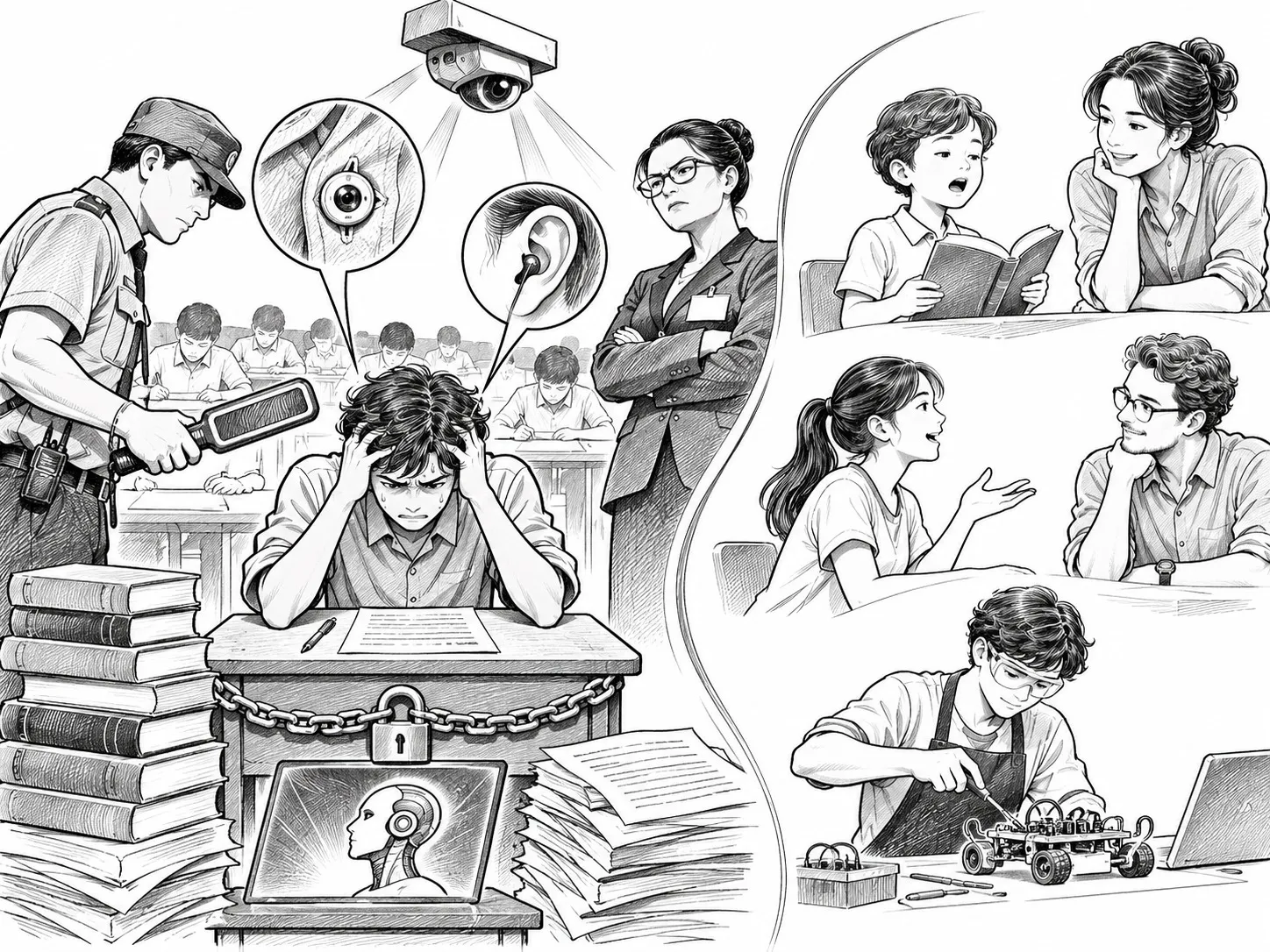
Two children enter school at the same age, sit in the same class, study the same courses, and then move from one stage to the next according to a single timetable. But one of them may master what he learns in a short time, while the other needs longer; one may excel in mathematics while the other stands out in the arts, technology or practical skills. Even so, the education system often continues to treat them as if the difference in their abilities did not call for any difference in their learning paths or the speed of their progress.
This familiar picture raises a fundamental question: should the learner always adapt to the education system, or should the system be more able to adapt to the differences between learners?
Modern education has achieved great things that should not be belittled. It has helped spread knowledge, widen access to schools, organise the preparation of teachers, and provide curricula and certificates, and it has made education a right that states seek to guarantee, after it had been, in many societies, a limited opportunity not open to all. These are civilisational gains that should be preserved and developed.
But acknowledging these achievements does not mean that the way we organise education has reached its final form. What arose in response to particular historical, social and administrative needs remains open to review when the circumstances of life change, the sources of knowledge widen, and the abilities of learners and the needs of societies become more varied.
Perhaps the problem that deserves reflection today is that many education reform efforts focus on developing what happens inside the system, without pausing enough at the structure of the system itself. We review curricula, develop teaching methods, train teachers and bring modern technologies into classrooms, but we usually keep stages, years, paths and certificates as we have known them, as if they were fixed laws for which no alternatives may be considered.
We have learned how to develop the school, but we have not asked ourselves enough: do we also need to develop the way we organise the journey of learning?
When Time Becomes the Measure of Learning
We have grown used to measuring a learner's progress by the years he has spent studying, the grades he has passed through, and the certificates he has obtained. We say that this student has finished primary school, that one has completed secondary school, and a third has graduated from university. These are important organisational indicators, but on their own they do not reveal what a person has actually learned, or what he has become able to do.
A student who masters a particular skill before the end of the school year may have to wait for his classmates, while another student may move to a higher level without having completed some basic skills. In both cases, school time becomes the governing framework for progress, even though learning does not happen for all people at the same speed.
This does not mean abolishing age-based stages or ignoring children's need for psychological and social development and interaction with their peers. It means distinguishing between the time the institution needs to organise education and the time the learner needs to achieve mastery.
A child may progress in mathematics faster than his peers and need longer in language, without this requiring that he be moved entirely to a higher stage or kept at one level in all areas. Here flexibility becomes a means to better learning, not merely a way of shortening years of study.
A Common Foundation for All… and Many Paths After That
The call for educational flexibility does not mean that every learner should walk a separate road from childhood, nor that societies should abandon their responsibility to build a shared foundation of knowledge and values among their children.
Every person needs a basic measure of language, arithmetic, and scientific and cultural knowledge, and values that help him understand his society, respect others, bear responsibility, live alongside others and take part in public life. This common foundation is not merely preparation for the labour market; it is part of building the human being himself.
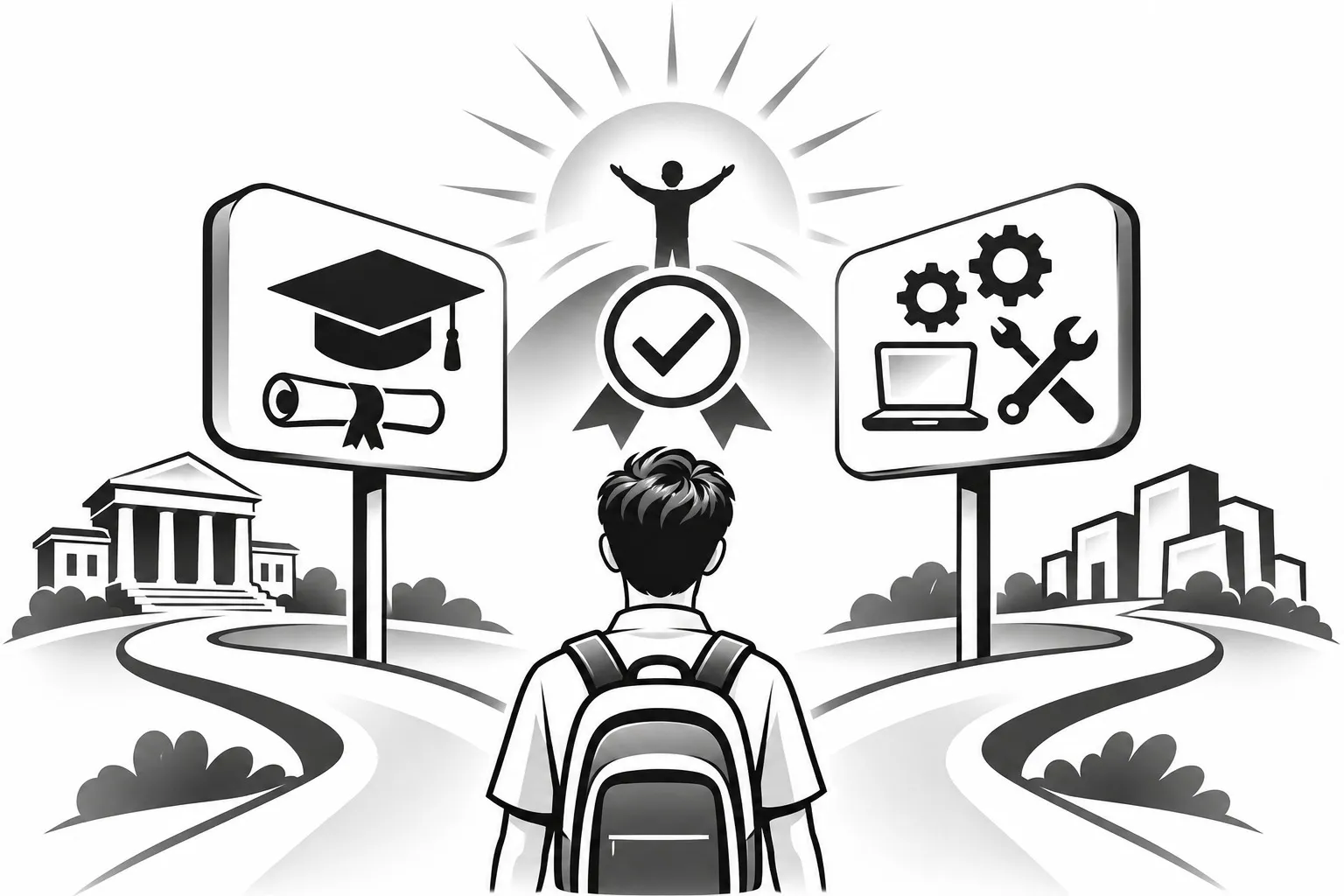
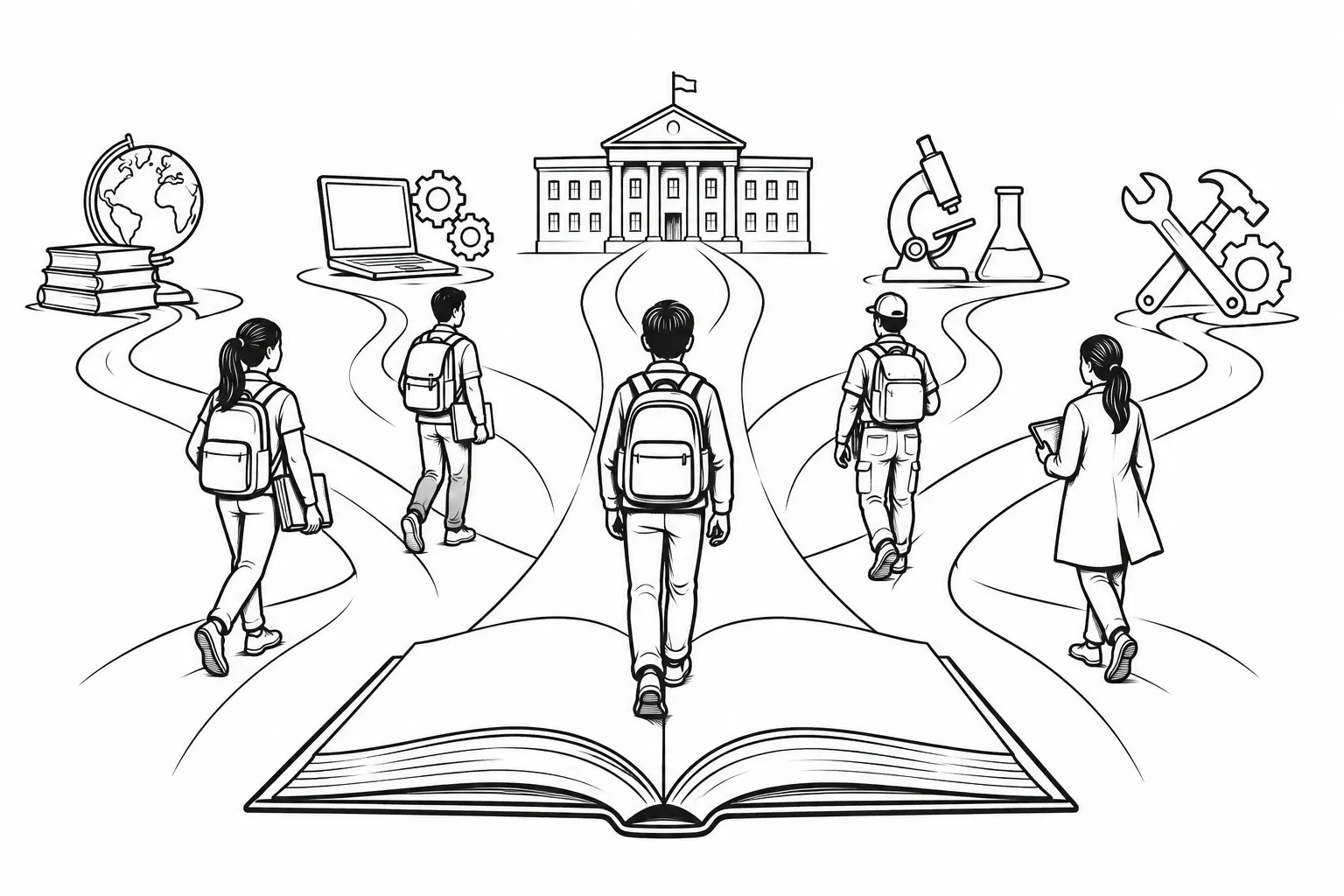
Yet a common foundation does not require a single path throughout one's education. Once the learner has acquired the shared competencies, opportunities to discover his abilities and inclinations should widen before him, and he should find varied paths that he can move between, combine some of, or return to learning through at different stages of his life.
It is not fair for the traditional academic path to become the only measure of success, and for vocational and technical education to be seen as an inferior choice. Society needs the researcher, the scientist, the doctor and the engineer, just as it needs the technician, the craftsman, the creative and the entrepreneur, and those whose competencies are formed through knowledge, experience and practice.
Educational justice is not to walk everyone down the same road, but to give every person a fair chance to discover the road on which he can make progress.
Learning Is Bigger Than School
The school has remained the central institution of modern education, and it will continue to have educational, teaching and social functions that cannot be done without, especially in the foundational years. But recognising the importance of the school does not mean that it is the only place where learning can happen.
A person learns in the family and in society, in the library and the laboratory, in the workshop and the factory, in workplaces, and through reading, experience and self-learning. Digital technologies and artificial intelligence have begun to open new opportunities for accessing knowledge and diversifying sources of learning, even as they pose challenges of quality, reliability and fairness.
For this reason, a more flexible education system should not isolate the school from its surroundings, but make it part of a wider network of learning institutions and opportunities. The school can play an advanced role in laying foundations, guiding, discovering abilities and following learning, while universities, institutes, and vocational and community institutions contribute varied experiences and paths.
This does not mean that every experience gained outside school deserves automatic recognition. It means that learning should be measured by reliable standards, and that a person should be given the chance to prove what he knows and what he can do, regardless of where he gained that knowledge or skill.
Is a Certificate Sufficient Proof of Learning?
Certificates have an important value in organising education and in moving on to advanced stages and professional life, but they are not a complete picture of a person's abilities.
A person may hold an academic certificate without mastering all the skills expected of him, while another may have deep practical experience gained over years of work, yet find no recognised way to prove his competence.
Developing the education system therefore calls for reconsidering the relationship between the certificate and learning, so that the recognition of qualifications rests to a greater degree on the knowledge, skills and competencies actually achieved, not on the number of years a person has spent inside an educational institution alone.
A certificate should be reliable evidence of learning, not a substitute for it.
From the Existing System to the Hoped-For System
The purpose of this vision is not to call for abolishing the school, dismantling educational stages, or leaving learning without organisation and standards. Nor should flexibility turn into a privilege enjoyed only by those who can afford it, while others lose opportunities for organised, good-quality education.
Moving to a more flexible system requires planning, experimentation and gradual steps; clear standards for competencies; reliable systems of assessment and recognition; suitable preparation of teachers; coordination between institutions; and safeguards that protect fairness and quality.
The state remains responsible for guaranteeing everyone's right to learn, setting standards, monitoring quality, and protecting learners from disparity and deprivation, even as the bodies offering education and training opportunities become more varied.
The aim is not less organisation, but better organisation: an organisation that makes stages, years, paths and institutions means of serving the human being, not limits at which his abilities and opportunities stop.
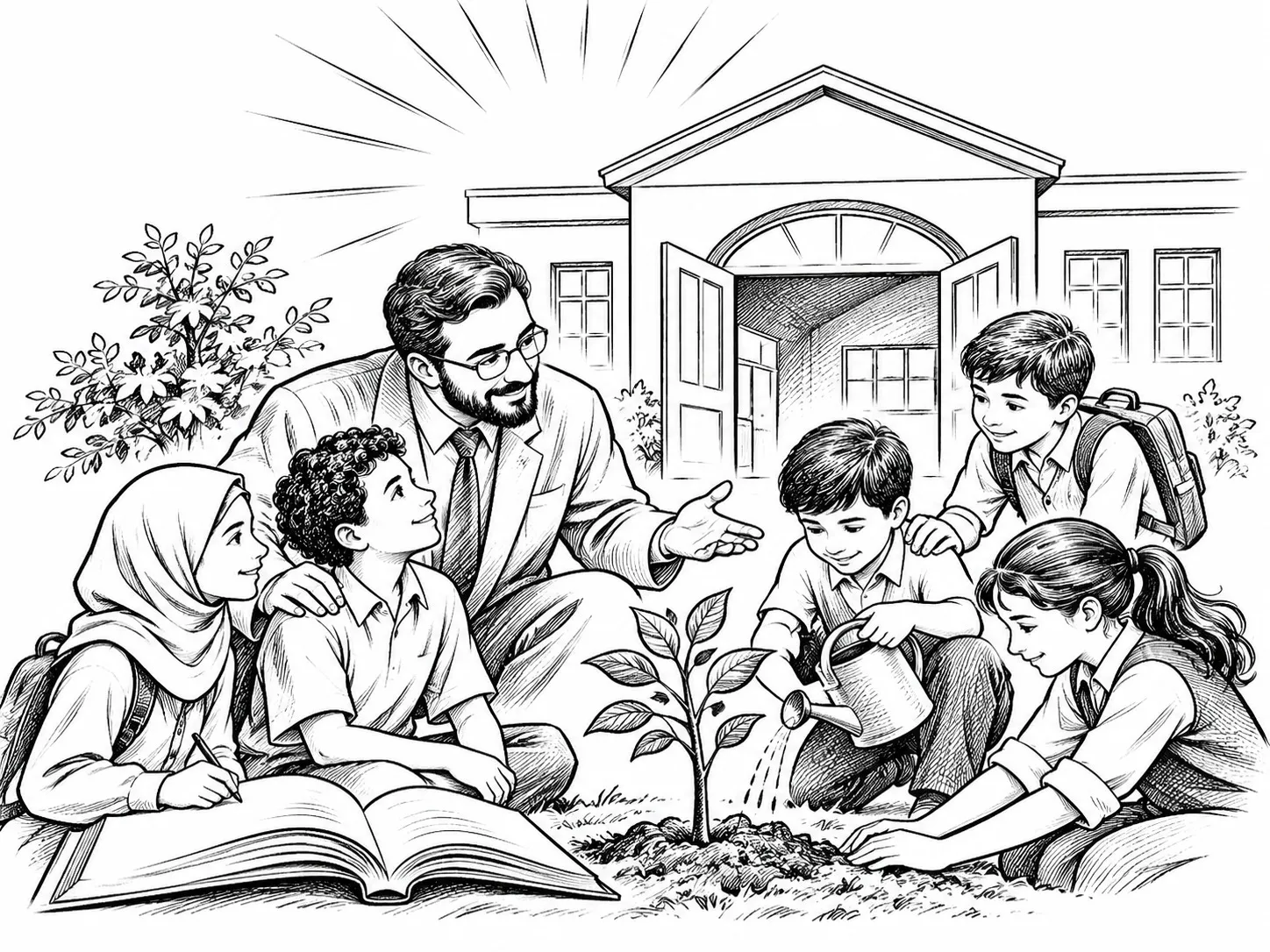
The modern education system succeeded in opening the doors of the school to vast numbers of people, an achievement that deserves appreciation. But the challenge we face today is not limited to guaranteeing every child a seat in school; it is to guarantee him a real opportunity to learn, discover his abilities, progress according to his potential, and continue learning throughout his life.
One of the greatest achievements of modern education was to make the school available to everyone; perhaps the next step in its development is to make learning opportunities more responsive to everyone's differences.
This is the idea discussed in my book "The Education System Between Reality and Aspiration": an attempt to rethink the structure of the education system, not out of rejection of what has been achieved, but out of a wish to build on it, and to move from a system that organises the learner's presence in education to a system that organises his opportunities to learn and progress.
The future worth working for is not a future without schools, certificates or institutions, but a future in which all of these become more able to serve the human being.
The question that should occupy us is not: how many years has a person spent in education? But rather: what has he learned, what has he become able to do, and what opportunities remain open to him to learn more?
This article is drawn from the book "The Education System Between Reality and Aspiration" by Dr. Abdulqawi Mukrid Al-Qadasi.
Related service: Parenting and education counselling
Questions people hesitate to ask
Why does the education system need rethinking?
The article acknowledges modern education's great achievements but says what arose from historical and administrative needs remains open to review. Reform improves curricula and teachers while treating stages, years and certificates as fixed laws, and the system treats students who differ in ability and pace as if they were the same.
Is a certificate enough proof of learning?
The article says certificates matter but are not a full picture of a person's abilities: someone may hold one without mastering its skills, while another has deep practical experience with no recognised way to prove it. Recognition of qualifications should rest more on competencies achieved than on years spent alone.
Does educational flexibility mean abolishing schools?
No. The article stresses that the aim is not to abolish schools, dismantle stages or leave learning without standards, but a common foundation for all followed by multiple paths. The shift needs planning, gradual steps and clear competency standards, with the state still responsible for everyone's right to learn, quality and fairness.
Share your thoughts
Have you been through something like this, or has a question come to mind? Write it here. Your words may help another reader.
حفظكم الله ورعاكم